
Understanding Your Surroundings
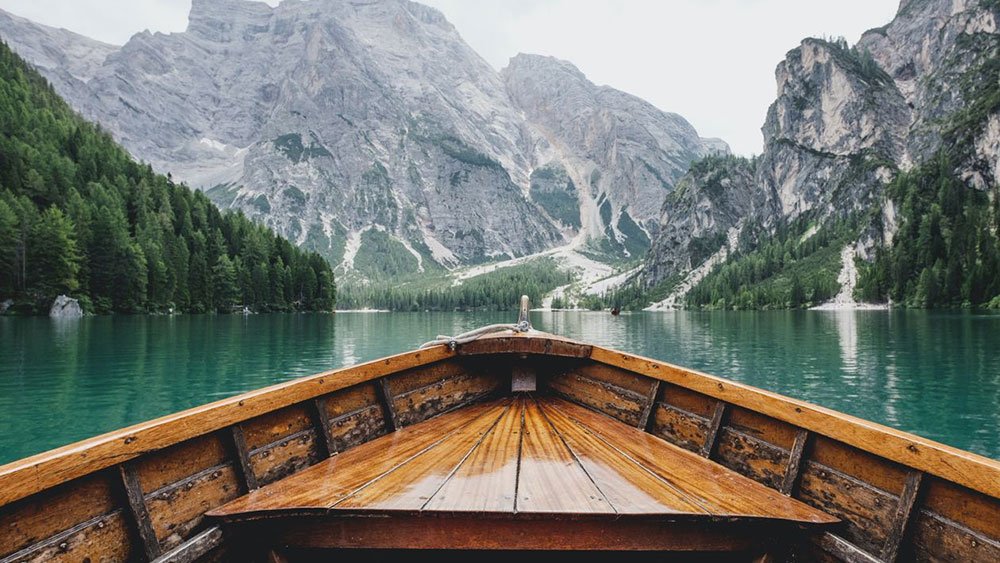
Before embarking on a solo camping adventure, it is critical to develop a thorough understanding of your chosen surroundings. Familiarity with the terrain not only enhances your experience but also reinforces safety while solo camping. Start by researching the area online or through guidebooks, paying special attention to maps and descriptions of the landscape. A well-chosen campsite can make a significant difference in your overall safety and enjoyment. For exmaple the following are five begginer-friendly campsites in the US that offer amenties like bathrooms and are relatively accessible by car or public transport:
- Yosemite Valley Campground, California
- Acadia National Park Campground, Maine
- Great Smoky Mountains National Park Campgrounds, Tennessee/North Carolina
- Zion River Resort Campground, Utah
- Olympic National Park Campgrounds, Washington
When assessing the terrain, look for flat and dry areas, as these are optimal for establishing a tent. Avoid locations that are prone to flooding, typically found near riverbanks or in low-lying areas, especially during rainy seasons. Furthermore, it is wise to steer clear of dead trees or those with unstable branches, as these pose a risk during inclement weather or high winds. Keeping a safe distance from such hazards contributes positively to safety while solo camping.
Another important aspect to consider is the placement of your campsite in relation to water sources. While having access to water for cooking and hydration is essential, it is advisable to set up your camp at least 200 feet away from lakes, rivers, or streams. This practice helps preserve the natural environment and minimizes the risk of attracting wildlife to your campsite. To further enhance your camping experience, consider utilizing national parks, which often provide designated areas that have already been assessed for safety and environmental impact.
In addition to these strategies, be sure to familiarize yourself with the campground rules, local wildlife, and potential hazards unique to the area you plan to visit. Understanding animal behaviors and recognizing signs of dangerous wildlife allows you to take appropriate precautions. With the right preparations, including knowledge of where to camp, your adventure can be both enjoyable and secure, ensuring a rewarding solo camping experience.
Essential Gear
When embarking on a solo camping adventure, ensuring your safety is paramount. The right gear can significantly enhance your experience, allowing you to focus on the beauty of nature rather than potential hazards. Here are five essential items that every camper should consider integrating into their packing list.
- Tent. A well‑chosen tent that you know how to set up transforms a night outdoors from a gamble into a comfortable, reliable experience even in windy or rainy conditions so you spend less time wrestling with gear and more time enjoying the campsite
- First aid kit. It should include bandages, antiseptics, pain relievers, and any personal medications. Consider purchasing a pre-packed kit specifically designed for outdoor activities from major retailers like REI or Amazon, ensuring it meets the recommended standards for solo camping.
- Clothing. Layers are key, as they allow you to adjust to changing temperatures. Opt for moisture-wicking materials and durable, weather-resistant fabrics. Look for retailers that specialize in camping gear to find options suited for the specific weather conditions you may encounter in various national parks.
- Flashlight or headlamp. It not only provides illumination in the dark but can also serve as a signaling device in emergencies. Choose an option with adjustable brightness levels and a long battery life, which you can find in reputable outdoor stores.
- Water filter. A portable water purification system, such as filters or purification tablets, should be included in your gear. Brands like LifeStraw offer practical solutions that are ideal for solo campers, ensuring access to safe water, regardless of your camping location.
- Food. Depending on your choice of cooking or using canned or pre-packaged foods your gear will vary. In the beggining pre-packaged foods can make your logistics easier. Remember to dispose of rubbish according to campground rules.
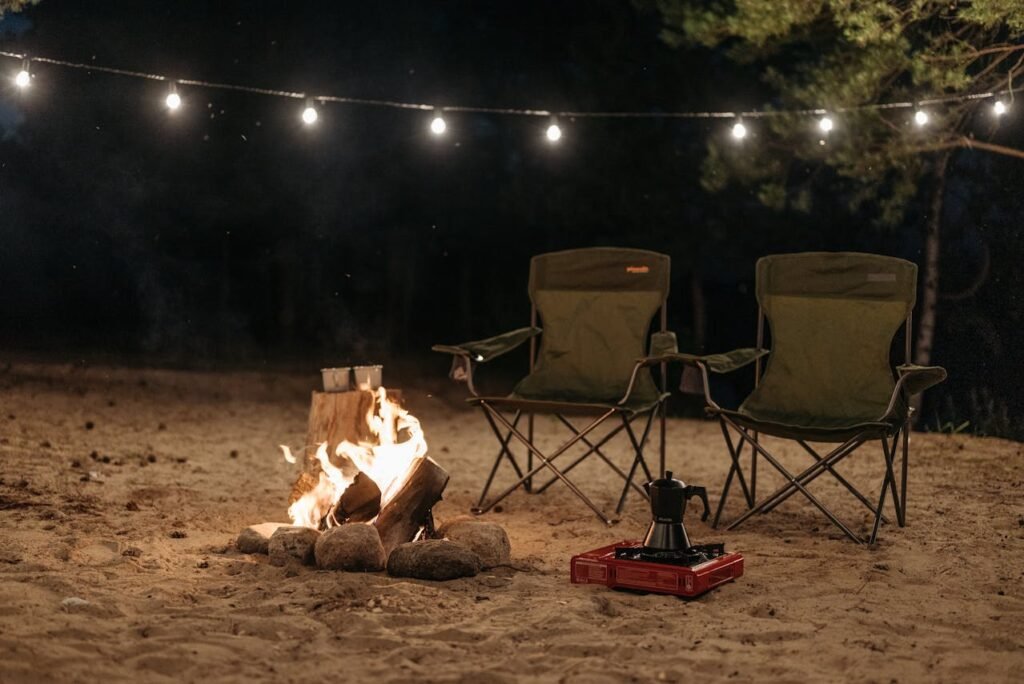
- Campfire. If you do decide to cook, tools for fire-making such as waterproof matches or a fire starter kit, are essential. Outdoor and camping specialty shops often carry a variety of options to choose from. Similarly to food each campgroud has rules regarding campfire making. Some campgrounds don’t allow it or only during certain times.
Investing in these essential gear items will significantly contribute to a safer and more enjoyable camping experience, allowing beginners to fully immerse themselves in the beauty of the outdoors while minimizing risks.
Emergency Preparedness
When embarking on a solo camping trip, being equipped with strategies for emergencies is vital for a safe and enjoyable experience. Emergencies can arise unexpectedly, whether it’s sudden weather changes, injuries, or equipment failures. Therefore, having a plan tailored to the specific camping site is essential. This plan should outline what to do in various scenarios, ensuring that you are prepared for the most likely scenarios at your chosen destination.
- Communications. One of the first steps is to identify the best communication methods in remote areas where cell service may be limited. Carrying a satellite phone or a personal locator beacon (PLB) can be invaluable for emergencies. Additionally, inform a trusted friend or family member about your camping plans, including your intended campsite and expected return date, enabling them to notify authorities if necessary.
- Sharing your plans. Make sure to share your plans with a friend, family member or someone you trust. Even the best plans can go sideways and you want to have the peace of mind that if the worst happens help will be coming.
- Basic survival skills. Basic wilderness skills, such as how to build a shelter, navigate through the woods, and identify edible plants, can drastically improve your ability to cope with unforeseen challenges.
Taking the time to plan for emergency situations and practice your skills before going out will ultimately enhance your overall camping experience and enjoyment.
Quick Summary
The following are basic considerations when choosing a safe campsite:
- Understanding your surroundings. Choose a begginer-friendly campsite. National parks and some private ones with at least bathrooms and power are ideal.
- Acquiring and testing essential gear before travelling. Trying out your gear before the fact will save you time and headaches when you get to use it on the field.
- Be prepared for emergencies. Even begginer-friendly campsites can have its risks. Preparing for the most likely scenarios will go a long way to help you keep your peace of mind were an emergency to arise.
This website focuses on managed or semi-managed campgrounds and similar camping areas and not on camping out on forests or the wilderness. Please be aware that camping out in a forest or wilderness has greater risks. Last, but not least, always share your plans with someone you trust before departing.