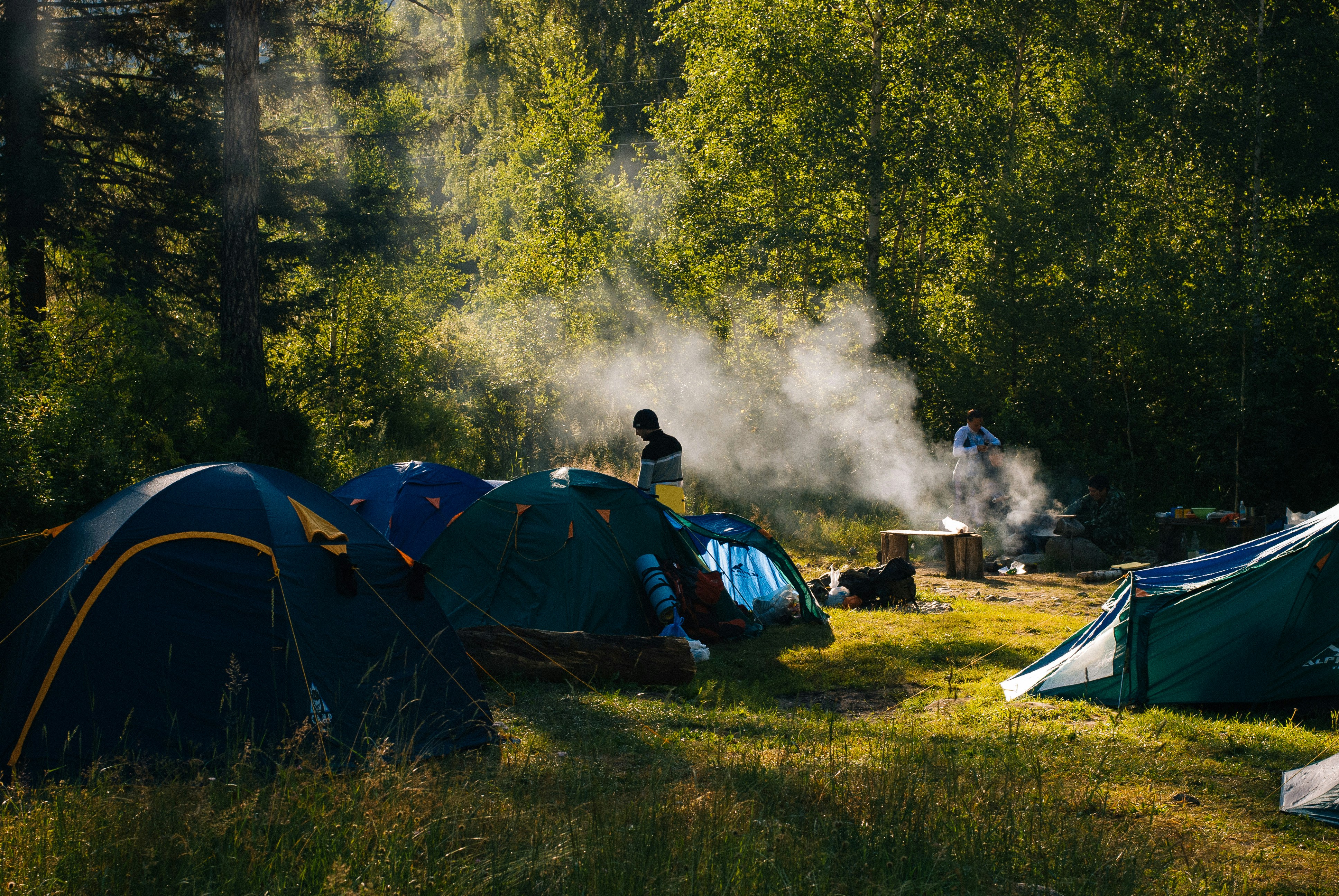

What is Solo Camping?
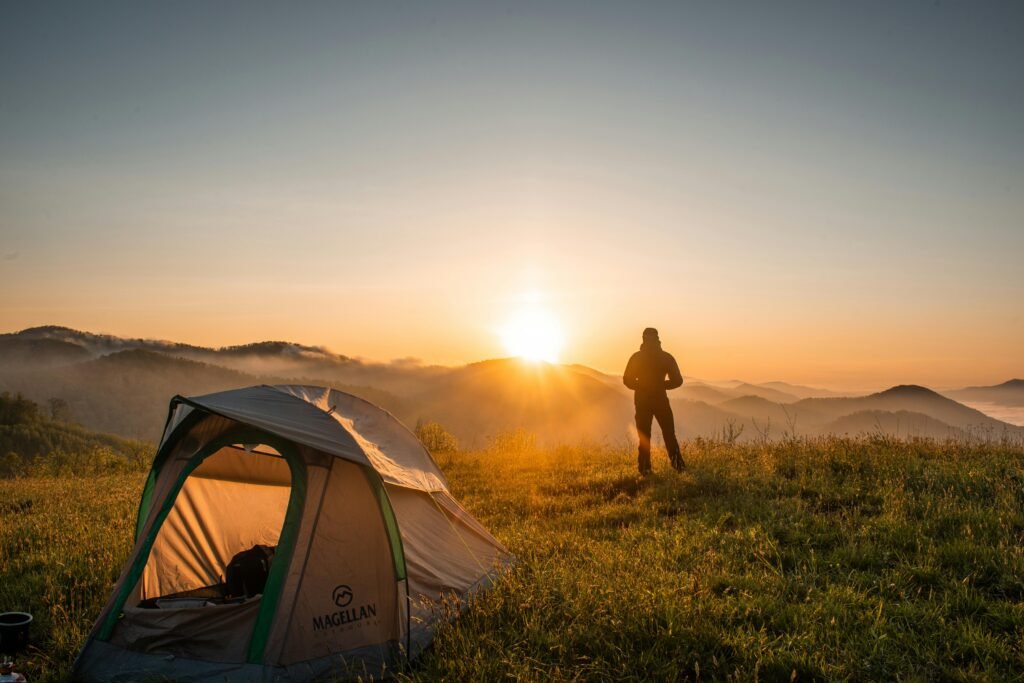
Solo camping is defined as a solitary outdoor experience where individuals venture into nature without the company of others. This form of camping provides an opportunity to experience the great outdoors on one’s own terms, enabling campers to engage deeply with their natural surroundings. Unlike family or group camping, which involves multiple participants and shared activities, solo camping emphasizes self-reliance, introspection, and personal growth.
There are various motivations that drive individuals to embark on a solo camping journey. Many seek the chance for self-discovery, using the silence and serenity of nature to reflect on their thoughts and emotions. This period of solitude can serve as a powerful catalyst for mental health improvement, allowing campers to reconnect with themselves and gain clarity in a fast-paced world filled with distractions. Additionally, solo camping offers a unique sense of adventure; it challenges individuals to navigate their environment, deal with unexpected situations, and develop new skills, all of which can enhance self-confidence and resilience.
Moreover, the idea of a digital detox is particularly appealing in solo camping scenarios. By disconnecting from technology and social media, campers can immerse themselves fully in their surroundings, experiencing the sights, sounds, and even smells of nature with undivided attention. This can be especially refreshing for those seeking relaxation and a reprieve from the daily stresses of modern life.
Solo Camping Caveat – stretching the definition
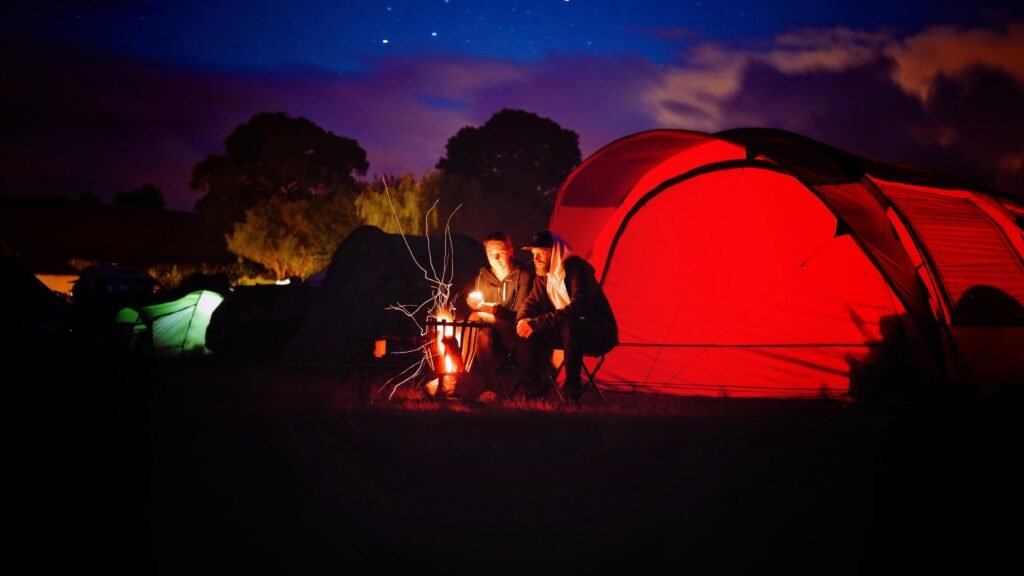
Once you’ve become a pro at solo camping, let’s expand the idea a bit—how about “solo camping with friends”? It’s not quite the same as camping with a group, but if you happen to meet up with friends at the campsite and then go your separate ways afterward, it’s a great way to enjoy some quality time together without the pressure of coordinating everyone’s schedules. This way, you can catch up with friends or family who might not be able to join you otherwise if you were all traveling together at once.
How to Get Started: Top 3 Tips for Solo Camping
Embarking on a solo camping adventure can be an invigorating experience, but it requires careful planning to ensure safety and enjoyment. Here are the top three tips to help you get started on your solo camping journey.
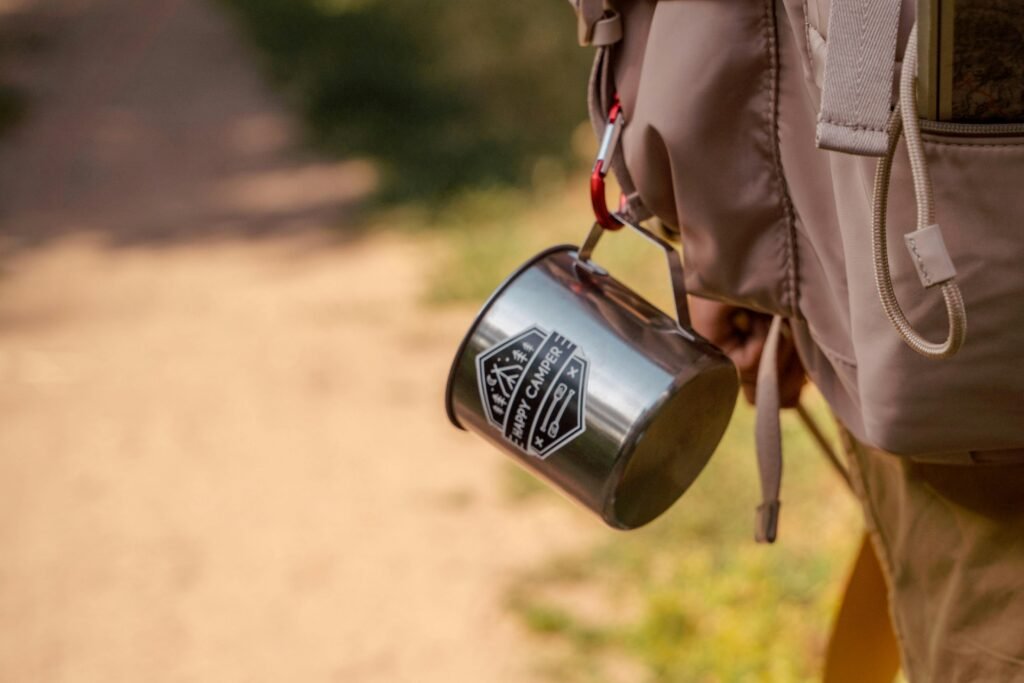
1. Choose the Right Equipment
Selecting appropriate camping gear is crucial for a successful solo trip. Invest in a dependable tent, sleeping bag, and cooking equipment that are suitable for the climate and terrain you will encounter. Lightweight gear can enhance mobility, while ensuring comfort should be a priority. Consider utilizing a checklist to ensure that you pack essential items, such as a first-aid kit, suitable clothing, and navigation tools. Well-chosen equipment will provide a sense of security and help you fully enjoy the experience of being alone in nature.
2. Prioritize Safety Measures
As you plan your solo camping trip, safety must be at the forefront of your mind. Inform a friend or family member about your itinerary and intended return date. Familiarize yourself with the area’s wildlife and specific risks associated with your destination. Carry a map, a compass, or a GPS device to navigate and avoid getting lost. Also, ensure that your mobile phone is charged and usable in emergency situations. By prioritizing safety measures, you can effectively mitigate risks while enjoying the mental health benefits of being outdoors alone.
3. Select the Perfect Location
Choosing an appropriate launching spot for your solo camping trip can significantly affect your overall experience. Look for campgrounds that are well-reviewed and tend to have a manageable number of visitors and facilities. National and state parks are excellent for solo adventures, offering a myriad of trails and natural beauty with a sense of community in case you seek assistance. A well-considered location not only enhances your camping comfort but also allows for a fulfilling digital detox, enabling you to reconnect with nature and yourself.
By carefully considering equipment, safety, and location, you can embark on a solo camping journey that fosters enjoyment, mental health benefits, and personal growth.
Mental Health Benefits of Solo Camping
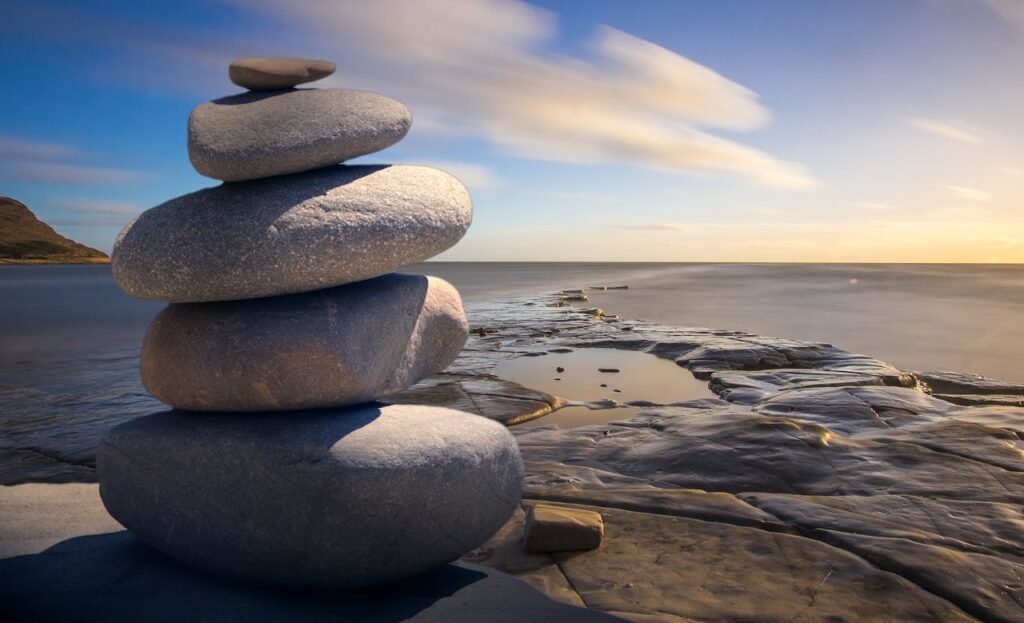
Engaging in solo camping can offer remarkable benefits for mental health, providing an opportunity to reconnect with oneself while immersing in the tranquility of nature. Studies have illustrated that solitude in natural settings can contribute to significant reductions in stress levels. When you take the time to disconnect from daily distractions and technology through a digital detox, the mind is afforded a chance to unwind, promoting relaxation and fostering emotional rejuvenation.
Furthermore, the experience of solo camping can enhance creativity. Being in nature often stimulates creative thought processes that may be stifled in the hubbub of city life or our routine work environments. The peaceful atmosphere found in the wilderness allows for uninterrupted reflection, encouraging individuals to explore new ideas and perspectives while engaging in activities such as journaling, sketching, or simply contemplating the beauty around them. This immersion can lead to heightened creativity, making solo camping an excellent option for aspiring artists or writers seeking inspiration.
Additionally, solo camping contributes to an improvement in overall mood. Reports indicate that spending time outdoors has a positive effect on mental well-being. Exposure to sunlight increases serotonin levels, which can uplift mood and provide a sense of happiness. Moreover, the physical activity involved in camping—hiking, setting up a tent, or gathering wood for a fire—promotes the release of endorphins, which further enhance mood and decrease feelings of anxiety. Thus, the act of embarking on a solo adventure in the great outdoors can lead to a more balanced and positive emotional state.
By embracing solo camping, individuals not only gain the benefits of solitude and nature but also nurture their mental health. To maximize these advantages, it is essential to approach each trip with an open mind and a willingness to engage deeply with both the environment and oneself.
Quick Summary
Solo camping is a unique outdoor experience that allows individuals to unplug from daily life and immerse themselves in nature. This guide has highlighted the essential aspects of embarking on a solo adventure in the wilderness, focusing on its benefits and practical advice to ensure a positive experience.
- Understanding Solo Camping: Solo camping is the act of camping alone in a natural setting. It encourages self-discovery, fosters resilience, and promotes mental well-being through a digital detox.
- Solo Camping with friends: not quite the same as camping with a group, but if you meet up with friends a campsite and then go your separate ways afterwards, you could enjoy some quality time together without the pressure of coordinating everyone’s schedules.
- Top 3 Tips for Solo Camping:
- Plan your trip thoroughly, including your route, campsite location, and safety essentials.
- Bring adequate gear and supplies tailored to your needs to ensure comfort and safety.
- Embrace the experience by setting realistic expectations and being open to new challenges with a focus on mental health benefits.
- Mental Health Benefits: Engaging in solo camping can significantly enhance one’s mental health by reducing stress, increasing mindfulness, and promoting a greater appreciation for the natural world.
The combination of solitude and nature creates a profound opportunity for individuals to recharge both mentally and emotionally. With the right preparation and mindset, embracing the wilderness on your own terms can lead to memorable experiences and personal growth.